



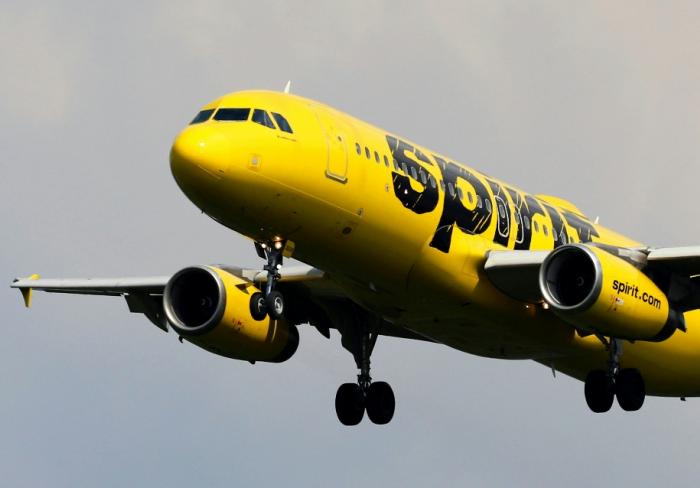

TAM, Brazil´s largest airline, will start a daily flight to London as of October 28, landing at Heathrow airport, the main entrance to the United Kingdom.
The frequency will be offered prime time, ensuring greater comfort and convenience to passengers, mainly to business travelers. It will depart from Guarulhos airport (Sao Paulo) at night, arriving in Heathrow in the afternoon. The return will also be at night, landing in Sao Paulo in the early morning.
Chile and Panama inked last week a free trade agreement that will scrap 98 percent of tariffs levied on trade between the countries over the next ten years.
‘‘Panama and Chile are generating the necessary conditions for an economic takeoff that will allow us to leave underdevelopment behind,´´ said Panamanian Vice-President Samuel Lewis Navarro.
The Ambassador of South Korea to the Dominican Republic, Lin Byung-Taik said last week that his main aim in the Caribbean country is to foster an increase in trade between the two nations to as many as $400 million a year, twice the current figure.
According to a report by Listin Diario, the diplomat stated that his term in the Dominican Republic seeks to broaden bilateral ties in the academic, cultural, energy, tourism and Haitian cooperation fields.
Brazil´s economy continues to expand, reports the International Monetary Fund (IMF).
In a recent statement, the IMF said growth in the country´s gross domestic product is expected to rise by about 3.5 percent in 2006, up from 2.3 percent in 2005.
Six Caribbean countries that had refused to join a regional trade bloc were likely to sign up in late June after receiving promises of aid to offset losses to their economies, officials said Thursday.
The islands of St. Kitts, St. Vincent, St. Lucia, Dominica, Grenada and Antigua had resisted coming on board, concerned that the single market´s ending of import taxes in the free trade area would hurt local industry and that they would be flooded by products from the bigger countries in the region.
The Argentine state will re-buy up to 20 percent of the airline it privatized in 1990, according to an agreement signed in Madrid yesterday.
The deal reached by Argentina government officials and the Spanish owners of Aerolineas Argentinas reshapes the stock distribution of the airline to allow the state to repurchase a minimum of five percent of the shares and a maximum of 20 percent.