WTO calls on media to play a responsible role in covering high impact events
The first World Conference on Tourism Communications (TOURCOM), organized by the World Tourism Organization (WTO) called on the media to play a responsible role in covering events which can impact heavily on the livelihood of travel destinations and their local populations.
The impressive participation figures for TOURCOM - some 830 delegates from 126 countries - emphasized the great interest in communications "following
three years of crisis which have underscored the importance of the relationship between tourism and the news media," said Mr. Frangialli in his opening address.
"This difficult period has made tourism destinations and businesses more aware than ever of the need for effective communications programmes.
Advances in communications technology, round-the clock news coverage,globalization of the news media, and a proliferation of new media outlets offering alternative viewpoints are developments that are rapidly changing the communications field-forcing all of us to update our strategies and skills."
While stressing the highly positive role the media plays in encouraging tourism, Mr. Frangialli said that traveller panic in response to events such as last year´s SARS epidemic was partly "a reaction to excessive media
coverage and to a perceived safety threat that is often way out of proportion with the real situation. The WTO´s own Code of Ethics spelled out the need for "honest and balanced information on events and situations that could influence the flow of tourists. That is what the tourism sector requests of you, the media," he added.
WTO Secretary-General Mr. Francesco Frangialli also launched a new global awareness campaign called ´Tourism Enriches´ to highlight the importance of
the industry to all sectors of society.
The Secretary-General recalled that it was in the very same setting, also at a conference held in conjunction with Spanish travel fair FITUR, that WTO had introduced a new concept in tourism development called public-private sector partnership which had since become "one of the pillars of the Organization. "With TOURCOM, WTO would like to expand this concept to include a third partner: the media. It is clear that tourism thrives on transparent, honest and effective communication. The media is an essential partner in this and so are the communications professionals who work in the tourism industry."
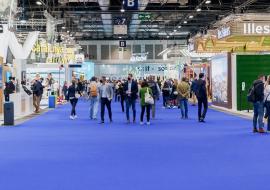
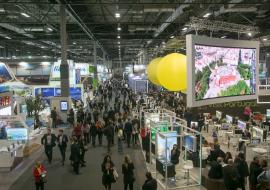
34 speakers from 17 countries, representing national tourism administrations and organizations, the private sector, and the media, were taking part in the TOURCOM conference at the IFEMA fairground in Madrid.
Ms. Becky Anderson, anchorwoman for CNN, said that the very nature of news is often gloomy, and that to get a message across the travel industry has to be more pro-active and rely on more than press releases. In the case of breaking stories there is a need to provide "the most significant person" possible to comment on events. "There is nothing worse than a ´no comment".
Adding to this, Mr. Christopher Brown, CEO of Australia´s Tourism Task Force, underlined there is a need for destinations to "spend time worrying about the message, and not just the product". Communications need to be
honest, he added. In the case of the SARS epidemic, if governments had been more open with information in the first place, "they would not have had such problems later".
At the panel "Tourism Concern", chaired by the WTO Deputy Secretary-General Dr. Dawid de Villiers, Mr. Anil Kumarsigh Gayan, Minister of Tourism and Leisure for Mauritius, stressed that attacks from Bali to Mombassa had shown a clear link between terrorism and tourism. "Tourists are very sensitive creatures, and terrorists know their attacks discourage tourism."
Africa´s image is "changing for the better", he added, although there are still scarce resources for helping education or efforts to halt the unnecessary supply of weapons. According to Mr. Gayan, the media should be
"more sensitised against the havoc it can cause" and to "look carefully at the consequences" of its coverage of events.