Terrorist’s Attempted Bombing Means More Traveler Hassles
The botched Christmas Day bombing attempt aboard a transatlantic Northwest flight as it was about to land in Detroit is likely to have a profound impact on the travel industry, at least in the near term and possibly for years to come, experts said last week.
Most predicted that the government’s response would result in more travel delays and hassles for domestic and foreign travelers alike.
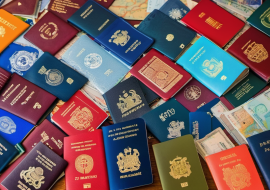
Obtaining visas and navigating airport security will be more difficult in months to come, maybe much longer, as the government reviews its security practices and patches holes that allowed a passenger to smuggle and nearly detonate explosive material aboard a commercial jet.
The industry concern is that “if this results in longer lines and slower service, that would be the wrong outcome,” said Geoff Freeman, senior vice president of public affairs for the U.S. Travel Association.
The industry welcomes heightened security, Freeman said, but it should eliminate travel hassles, not create more of them.
Instead, he said, security officials should seize the opportunity to focus on better screening methods and improved interagency communications to make air travel more efficient and safer.
The bombing suspect, Umar Farouk Abdulmutallab, foiled airport detection devices by concealing explosive material and a syringe detonator in specially made underwear, the FBI said. The combination made for a viable bomb, the FBI said, and the agency as of last week didn’t know why it had failed to explode.
Security experts say it was especially troubling that Abdulmutallab was able to secure a seat aboard an inbound U.S. flight in the first place, considering that he was in a database of potential security risks after his father had warned U.S. officials of his son’s increasingly radical beliefs.