Mexico Celebrates UNESCO Honor for Traditional Mexican Cuisine

The Mexico Tourism Board (MTB) announced today first-ever gastronomy recognition by the United Nations Educational, Scientific and Cultural Organization (UNESCO) for traditional Mexican cuisine.
Acknowledged as an important factor in maintaining cultural diversity in the face of increasing globalization, Traditional Mexican cuisine - ancestral, ongoing community culture, the Michoacan paradigm is now part of UNESCO’s Representative List of the Intangible Cultural Heritage of Humanity, an elite list of traditions, practices and rituals that encourage intercultural dialogue and shared identity.
Mexican cuisine is one of the first cuisines or national food offering to be declared a part of UNESCO’s World Heritage and was officially recognized on November 16, 2010 at the Kenyatta International Conference Centre in Nairobi, Kenya.
Helping the MTB celebrate this honor, world-renowned chefs and around the country, including the much lauded and Torque D’Oro Chef of the Year Richard Sandoval, will host nine dinners across the United States and Canada to showcase the rich flavors and culture found Mexican cuisine.
The series of dinners take place throughout the month of December in Chicago, Houston, Miami, Los Angeles, Washington D.C. and New York in the U.S. Toronto, Vancouver and Montreal will also host celebrations.
Since 1987, Mexico has been recognized by UNESCO’s World Heritage Committee as having 31 regional sites with outstanding universal value. These sites include the Ancient Mayan City of Calakmul, Whale Sanctuary of El Vizcaino, Historic Center of Mexico City and Xochimilco and the Pre-Hispanic City of Chichen-Itza.
Developed by UNESCO in 2003, “Intangible Cultural Heritage” reflects the traditions and living expressions passed down from generation to generation, such as oral traditions, performing arts, social practices, rituals and events. Encompassing the social and economic value of these inherited transmissions, intangible cultural heritage provides communities with a link to the past, through the present, and into the future.
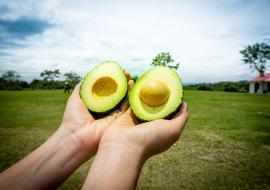
Traditional Mexican cuisine reflects a comprehensive cultural model of farming, community and ancestral practices, and culinary techniques. Native ingredients such as tomatoes, squashes, avocados, cocoa and vanilla make up some of the basic staples of Mexican cuisine and help create many of the States regional and national identities.
In addition to Mexican Cuisine, UNESCO also voted Pirekua, traditional song of the P’urhepecha and Parachicos in the traditional January feast of Chiapa de Corzo onto the list. The Indigenous Festivity dedicated to the Dead, was also voted to UNESCO’s list of the “Intangible Cultural Heritage of Humanity” in 2008, and Ritual ceremony of the Voladores, Places of memory and living traditions of the Otomi-Chichimecas people of Toliman: the Pena de Bernal, guardian of a sacred territory in 2009.