British Overseas Territories Citizens Get Visa-Free Access to 26 European Countries

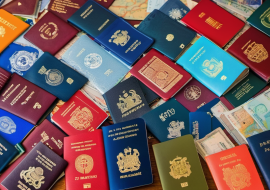
Citizens from the British Overseas Territories (BOTCs), British Overseas citizens (BOCs), British Protected Persons (BPPs), and British Subjects (BS) can travel visa-free across the EU ‘Schengen’ Area with effect from Monday, 9 June 2014.
The Schengen Area currently consists of 26 European states, including four that are not members of the European Union. The duration of the visits will be a maximum of 90 days.
The full list of countries in the Schengen Area is: Austria, Belgium, Czech Republic, Denmark, Estonia, Finland, France, Germany, Greece, Hungary, Iceland, Italy, Latvia, Liechtenstein, Lithuania, Luxembourg, Malta, Netherlands, Norway, Poland, Portugal, Slovakia, Slovenia, Spain, Sweden, and Switzerland. The visa concession will also apply to Romania, Bulgaria, Croatia and Cyprus.
The United Kingdom and Ireland, while both EU member states, do not participate in the borders and visas aspects of the Schengen agreement and continue to operate border controls with other EU member states.
The Schengen agreement led to the creation of Europe’s borderless area in 1995, and is named after the town where it was signed in Luxembourg.
Citizens who hold either a full British passport or a BOTC, BOC, BPP or BS passport will have visa-free access to the Schengen Area. However, it remains advisable to check the entry requirements of the country of destination before confirming travel plans.
Both the current BOTC, BOC, BPP, and BS passport and the proposed new machine-readable passport will allow visa-free access to the Schengen area.
On arrival, you may be asked to confirm that you have sufficient funds available for the duration of your stay. You may also be asked to show a return or onward ticket.
The visa concession covers visits only. The maximum duration is 90 days in a period of 180 days. The visa concession does not cover employment or study -- where the appropriate visa must be obtained prior to travelling.
Source: Caribbean News Now